OHBM 2026 KEYNOTE SPEAKERS
Join us to hear from internationally recognized leaders shaping the future of human brain mapping. These featured speakers are the core of our Annual Meeting and will speak onsite at OHBM 2026 in Bordeaux, France from June 14 - 18, 2026.
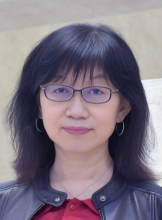
Dr. Yijuang Chern received her Ph.D. in Molecular and Cellular Biology from the University of Massachusetts Amherst (USA) and completed her postdoctoral training in Signal Transduction at Harvard Medical School (USA). She has served as Deputy Minister at the National Science and Technology Council and is currently a Distinguished Research Fellow and Director of the Institute of Biomedical Sciences at Academia Sinica (Taiwan). Her laboratory focuses on two interrelated research areas: (1) the functional characterization of the A2A adenosine receptor (A2AR) and (2) the development of novel therapeutic strategies for neurodegenerative diseases, including Huntington’s disease, amyotrophic lateral sclerosis, and Alzheimer’s disease. Her goal is to develop biomarkers and treatments for neurodegenerative diseases based on the functional and pharmacological properties of A2AR and novel mechanisms of disease pathogenesis. Her studies on A2AR and degenerative diseases have resulted in 27 patents and several additional patent applications. In addition, Dr. Chern has published 139 papers and five book chapters and has an h-index of 53 (as of Nov. 13, 2025).
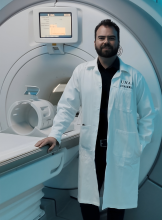
Eduardo A. Garza-Villarreal is an Assistant Professor, Leader of the Translational Neuropsychiatry and Neurotoxicology Lab, and Head of the Neuromodulation Unit at the Institute of Neurobiology, Universidad Nacional Autónoma de México (UNAM), campus Juriquilla in Querétaro, Mexico. His research focuses on bridging the gap between basic neurobiology and clinical application in neuropsychiatry, using magnetic resonance imaging as a translational tool between species, and working with rodents and humans. His research focuses primarily on studying the brain circuits involved in substance use disorders and evaluating neuromodulation as a therapeutic strategy. Besides clinical and MRI methods, he applies other techniques in rodents such as microscopy, chemogenetics, and behavior, aiming to develop more effective treatments for human patients.
Dr. Garza-Villarreal obtained his Medical Doctor degree from the Autonomous University of Nuevo León (UANL), Mexico. He earned his Ph.D. from the Center for Functionally Integrative Neuroscience (CFIN) at Aarhus University in Denmark, where he also completed his postdoctoral fellowship. During his postgraduate training, he conducted research fellowships at the University of Oxford (UK), the University of Helsinki (Finland), and McGill University (Canada).
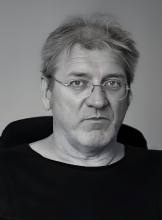
Viktor Jirsa is senior researcher at the CNRS and Director of the Inserm Institut de Neurosciences des Systèmes at Aix-Marseille Université in Marseille, France. Trained in theoretical physics (PhD 1996), he develops large-scale brain network models constrained by empirical structural connectivity and human brain imaging data. His group has been central to the development of The Virtual Brain and related digital brain twin approaches, including the Virtual Epileptic Patient, which use patient-specific connectivity and biophysical models to simulate seizure dynamics and support presurgical evaluation in drug resistant epilepsy. He is Scientific Director of the EPINOV clinical trial assessing virtual brain modeling in epilepsy surgery, Chief Science Officer of the EBRAINS digital neuroscience infrastructure (https://ebrains.eu), and Coordinator of the Virtual Brain Twin consortium (https://www.virtualbraintwin.eu/) extending these methods toward other brain disorders such as schizophrenia. His work has been recognized by several international prizes, including the first HBP Innovation Prize (2021), and he has authored more than 200 scientific publications.
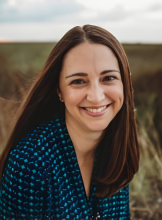
Dr. Angela Laird is a Distinguished University Professor of Physics and Psychology at Florida International University. Her research expertise is in fMRI data analysis strategies for investigating functional connectivity and co-activation, with particular emphasis on meta-analysis methods, cognitive ontologies, and neuroinformatics tools for managing and synthesizing large datasets. Dr. Laird's early work focused on developing coordinate-based meta-analysis methods to identify convergent results across the neuroimaging literature. Working on the BrainMap Project, she adapted the activation likelihood estimation (ALE) method and spearheaded its integration in a suite of user-friendly, community-available software tools. In 2018, Dr. Laird's lab began collaborating with the Neurosynth/NeuroVault team to lead the development of the NiMARE (Neuroimaging Meta-Analysis Research Environment) Python toolbox. Her current efforts with Neurosynth involve the development of image-based meta-analysis methods, implementation of the new NeurosynthCompose platform, and leveraging large language models (LLMs) to improve meta-analytic functional decoding (i.e., estimating behavioral profiles associated with brain regions/networks).
Beyond this neuroinformatics work, Dr. Laird has served as a site PI for the Adolescent Brain Cognitive Development (ABCD) Study at the Florida International University site since the inception of that study in 2016. Building on her contributions to the ABCD Study, she is also the PI of the ABCD-ReproNim Course an NIH-funded research educational program to teach responsible and reproducible analyses of ABCD study data.
Dr. Laird’s leadership extends to national policy and advocacy. She is currently a member of the National Advisory Council on Drug Abuse (NACDA) and the NIDA representative on the BRAIN Initiative Multi-Council Working Group (MCWG). Dr. Laird was elected as a Fellow of the American Institute of Medical and Biological Engineering (AIMBE) in 2024 and a member of the Academy of Science, Engineering, and Medicine of Florida in 2022. Her research has been continuously funded since 2009 by multiple awards from the National Institutes of Health and the National Science Foundation.
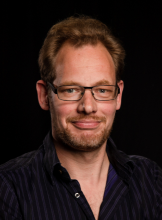
Rogier B. Mars is Professor of Neurosciences at the Oxford Centre for Integrative Neuroimaging (OxCIN) at the University of Oxford and Principal Investigator at the Donders Institute for Brain, Cognition and Behaviour at the Radboud University Nijmegen.
Rogier obtained his PhD in 2006 at the Donders Institute before moving to University College London and then the University of Oxford for his post-doctoral research. Since 2015 he heads the Cognitive Neuroecology Lab in Oxford and Nijmegen. Starting out as a cognitive neuroscientist with an interest in brain connectivity, his work has increasingly focused on development and application of computational methods to compare brain organization across species.
As a mid-career BBSRC Fellow, Rogier worked on comparative neuroimaging of the primate brain, developing a series of tools to quantitatively compare brain organization based on connectivity. This work not only identified a series of specializations in the human brain, but also led to a deeper understanding of diversity across the primate order. More recently, his lab has taken the comparative approach outside the primate brain to help improve translational neuroscience. By trying to describe mouse and human brain organization within a common space, it becomes possible to make quantitative statements about the translational potential of preclinical research.
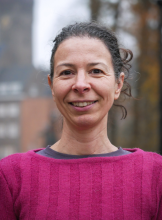
Dr. Piai is associate professor at the Donders Institute, Radboud University in the Netherlands. She received a Ph.D. in cognitive neuroscience from Radboud University and Donders Institute in 2014. During her doctoral work, she investigated executive control in word production and began a research line on the electrophysiology of language production in healthy speakers. She then obtained personal funding to spend time at the University of California Berkeley as a postdoctoral researcher, where she expanded her previous work to intracranial electrophysiology and to acquired brain damage.
Since 2017, she has led the “Language Function and Dysfunction” group, which focuses on how the brain supports language, and in particular the neurophysiology of how words are retrieved from memory during speaking and how these processes adapt after brain damage. Dr. Piai has received several competitive grants, including major personal awards from the Dutch Research Council (NWO). Electrophysiology plays an important role in this research programme, complemented by other neural methods and insights from the philosophy of neuroscience.

Nanthia Suthana, Ph.D., is a Professor of Neurosurgery and Biomedical Engineering at Duke University, where she leads an interdisciplinary research program advancing the study of human cognition in naturalistic environments. Her work integrates intracranial recordings from implanted devices with high-density scalp EEG, eye-tracking, wearable sensors, first-person video, and AR and VR-based navigation to investigate the neural dynamics of memory, spatial navigation, and emotion during real-world behavior. Supported by programs such as the McKnight Technological Innovations in Neuroscience Award and the Simons Collaboration on Ecological Neuroscience (SCENE), her lab develops technologies including wireless synchronization of implanted and wearable data streams that are contributing to the next generation of ecological human brain mapping.
Before joining Duke, Dr. Suthana spent more than a decade at UCLA leading NIH-supported efforts to bridge controlled cognitive paradigms with real-world behavioral monitoring. Her contributions have provided insights into how human hippocampal and medial temporal circuits support episodic memory and mental time travel in everyday life. She has mentored a diverse group of trainees who now span academia, medicine, and industry, and has established a state-of-the-art motion-capture and immersive AR and VR facility at Duke to accelerate translational neurotechnologies for memory and psychiatric disorders.